How to Choose the Right Elevator Capacity for Your Home


Installing a home elevator is one of the smartest investments for modern homeowners. It improves accessibility, convenience, and property value while making daily life more comfortable. However, one of the most important decisions during the planning process is choosing the right elevator capacity.
The capacity of a home elevator determines how many people or how much weight it can safely carry. Selecting the correct capacity ensures smooth performance, better safety, and long-term reliability. Whether you're planning a compact home lift for a small house or a luxury elevator for a villa, understanding elevator capacity is essential.
Why Elevator Capacity Matters
Many homeowners focus on elevator design, cabin style, and technology, but overlook capacity requirements. An elevator with insufficient capacity may struggle to meet daily needs, while an oversized elevator can increase installation costs and require additional space.
Choosing the right capacity helps:
Improve passenger comfort
Ensure safe operation
Reduce wear and tear
Increase energy efficiency
Enhance long-term performance
Modern elevator manufacturers in India offer a wide range of home elevator lift options designed for different family sizes and usage requirements.
Understanding Home Elevator Capacity
Elevator capacity is measured in kilograms (kg) and indicates the maximum load the elevator can safely carry.
Common residential elevator capacities include:
250 kg – 300 kg Capacity
Suitable for:
2 to 4 passengers
Small homes
Compact spaces
Elderly-friendly installations
A mini elevator for the home is often available in this capacity range and works well in compact residences.
400 kg Capacity
Suitable for:
Medium-sized families
Villas and duplex homes
Regular daily usage
This capacity is one of the most popular choices for Residential Elevators because it balances comfort and space efficiency.
500 kg and Above
Suitable for:
Luxury homes
Large families
Wheelchair accessibility
Premium villa projects
Many luxury home elevators in India installations use larger cabins to maximise comfort and accessibility.
Factors to Consider When Choosing Elevator Capacity
1. Number of Family Members
The first factor to evaluate is how many people will use the elevator regularly.
For a family of 3 to 4 members, a standard residential elevator is usually sufficient. Larger families may benefit from higher-capacity elevators that provide greater convenience during peak usage.
2. Future Accessibility Needs
Many homeowners install elevators to future-proof their homes.
If elderly family members may require mobility assistance in the future, consider a larger cabin that can accommodate:
Wheelchairs
Walkers
Caregivers
Medical equipment
Learn More: Planning a lift installation? Read "Complete Guide to Wheelchair Accessible Home Elevators" to understand accessibility requirements and design considerations.
3. Available Space
Space availability directly impacts elevator size and capacity.
Modern home elevators in India are available in:
Compact designs
Shaft-based elevators
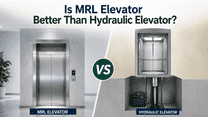
Machine Room Less (MRL Elevator) systems
Pitless elevator solutions
Many MRL elevator manufacturers now offer space-saving models that fit into existing homes with minimal modifications.
4. Type of Elevator
Different elevator technologies support different capacity ranges.
Hydraulic Home Elevators
Hydraulic home elevators in India are known for smooth operation and reliable performance. They are commonly used in low-rise residential buildings.
Traction Home Elevators
A Traction Home Elevator offers excellent energy efficiency and smooth ride quality.
Popular options include:
Gearless traction home elevator
Machine room less traction home elevator
Energy-efficient traction home lift system
These elevators are ideal for homeowners looking for advanced technology and lower operating costs.
Suggested Read: Want to learn more about traction technology? Explore "Top Benefits of Installing a Traction Home Elevator in Residential Buildings" for a detailed comparison of modern elevator systems.
5. Daily Usage Requirements
Consider how often the elevator will be used.
For occasional use, a standard residential lift may be sufficient. However, high-frequency usage may require a higher-capacity system with more robust components.
This is particularly important in:
Villas
Duplex homes
Multi-generational households
Luxury residences
Choosing Capacity Based on Home Type
Small Independent Homes
Recommended Capacity:
250–300 kg
Ideal for:
Compact home elevator India installations
Small families
Limited spaces
Duplex Homes
Recommended Capacity:
300–400 kg
Ideal for:
Daily residential use
Enhanced accessibility
Comfortable passenger movement
Villas and Luxury Homes
Recommended Capacity:
400–500 kg+
Ideal for:
Home lift for villas
Premium residential projects
Luxury home traction lift systems
Safety Should Always Come First
Regardless of capacity, homeowners should ensure that their elevator includes essential safety features such as:
Emergency alarm systems
Automatic rescue devices
Battery backup
Door safety sensors
Overload protection
Emergency stop buttons
Leading elevator companies in India prioritise these safety features to ensure reliable operation.
Why Professional Consultation Is Important
Choosing elevator capacity involves more than simply selecting a cabin size.
Professional elevator experts evaluate:
Building structure
Available space
Family requirements
Future accessibility needs
Installation feasibility
Working with experienced elevator manufacturers in Delhi NCR or a trusted lift company in Delhi NCR helps ensure the best solution for your home.
Also Read: Before finalising your purchase, check out "Top Mistakes to Avoid When Buying Home Elevators" to make a more informed decision and avoid costly installation mistakes.
Conclusion
Choosing the right elevator capacity is one of the most important decisions when installing a home elevator. The ideal capacity depends on your family size, available space, future accessibility needs, and daily usage requirements.
Whether you select hydraulic home elevators, a gearless traction home elevator system, or an MRL elevator, the right capacity will ensure safe operation, long-term reliability, and maximum comfort. By consulting experienced professionals and carefully assessing your requirements, you can invest in a home elevator solution that serves your family for many years to come.
Frequently Asked Questions (FAQs)
1. What is the ideal elevator capacity for a home?
The ideal home elevator capacity depends on family size and usage requirements. Most residential elevators range from 250 kg to 500 kg, with 400 kg being a popular choice for modern homes.
2. How many people can a 300 kg home elevator carry?
A 300 kg home elevator can typically accommodate 3 to 4 passengers comfortably, depending on the cabin design and manufacturer specifications.
3. What capacity is recommended for a villa or duplex home?
For villas and duplex homes, a 400 kg to 500 kg elevator is generally recommended. It provides greater comfort, better accessibility, and sufficient space for multiple passengers.
4. Does elevator capacity affect installation cost?
Yes. Higher-capacity elevators usually require larger cabins, stronger components, and additional structural support, which can increase the overall installation cost.
5. Is a larger elevator always a better choice?
Not necessarily. The best elevator capacity should match your household's needs, available space, and future accessibility requirements. Oversized elevators may increase costs without providing significant benefits.
6. Can a home elevator accommodate a wheelchair?
Yes. Many modern residential elevators are designed to accommodate wheelchairs and mobility devices. A higher-capacity elevator with a larger cabin is usually recommended for accessibility purposes.
7. Which elevator type is best for residential use?
Popular options include hydraulic home elevators, traction home elevators, and MRL elevators. The best choice depends on available space, budget, and performance requirements.
8. How do I determine the right elevator size for my family?
Consider factors such as the number of family members, daily usage frequency, available installation space, future mobility needs, and the type of home before selecting elevator capacity.
9. Are traction home elevators suitable for large families?
Yes. Modern traction home elevators offer higher load capacities, smooth operation, energy efficiency, and are ideal for villas, duplex homes, and larger households.
10. Should I consult an elevator expert before choosing capacity?
Absolutely. A professional elevator company can assess your home's structure, available space, usage needs, and future requirements to recommend the most suitable elevator capacity.

Comments