Low-Cost Home Elevators: Budget-Friendly Options in India


In 2026, the concept of installing a home elevator has shifted from being a luxury to a practical necessity. For many families in cities like Delhi, Gurgaon, and across India, a lift is essential, especially for elderly parents or individuals with mobility challenges. However, cost is still a major concern. The good news is that with the right knowledge and planning, you can choose a low-cost home elevator that is both safe and affordable. Here’s a simple, point-to-point theoretical guide to help you understand budget-friendly options.
1. Focus on Pitless and MRL Technology
One of the biggest cost factors in installing an elevator is civil work. Traditional lifts require a deep pit and a separate machine room, which increases construction expenses.
Pitless Elevators: These can be installed with minimal or no pit (around 50–100 mm), reducing excavation and foundation costs.
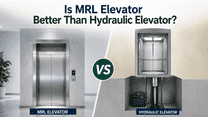
MRL (Machine Room-Less): These elevators do not require a separate machine room, saving space and construction expenses.
👉 This combination helps reduce both time and money spent on installation.
2. Opt for Hydraulic Drive Systems
Hydraulic elevators are among the most economical options for residential use, especially for homes with 2-4 floors.
Use a simple piston and pump mechanism
Lower installation cost compared to traction systems
Fewer moving parts, resulting in reduced maintenance
Ideal for compact homes and duplexes
👉 They provide a perfect balance between affordability and performance.
👉 Many users compare this with traction systems in guides like Hydraulic vs Traction Home Elevators: Which Is Better? to understand cost and performance differences.
3. Consider Platform Lifts for Limited Travel
If your requirement is basic accessibility (for example, moving between one or two floors), platform lifts are the most budget-friendly solution.
Simple, open or semi-enclosed design
Do not require a full concrete shaft
Can be installed using a metal frame structure
Lower speed, which reduces motor and power costs
👉 Best suited for elderly users and wheelchair accessibility.
4. Choose Standard Finishes Over Luxury Customization
Interior design plays a major role in cost.
Stainless steel cabins are affordable and durable
Manual doors reduce mechanical cost
Simple LED lighting keeps budget low
👉 Avoiding unnecessary customization helps in choosing a practical Elevator Company in Delhi NCR without overspending.
5. Prefer Single-Phase Power Systems
Another hidden cost in elevator installation is the electrical setup.
Many budget home elevators run on 230V single-phase power
No need for expensive three-phase electrical connections
Lower installation and monthly electricity costs
👉 This makes the elevator more energy-efficient and suitable for residential use.
6. Focus on Essential Safety Features
While saving money is important, safety should never be compromised. However, you can avoid unnecessary high-end features.
Must-Have Safety Features:
ARD (Automatic Rescue Device) for power cuts
Emergency alarm system
Door safety sensors
Optional Features (Can Skip):
Biometric access
Voice control systems
Cabin air conditioning
👉 Focus on essential safety to balance cost and protection.
👉 Safety-focused discussions are also part of What Is Soft-Start Technology in Home Elevators?, which improves smooth and safe operation.
7. Strategic Placement to Reduce Costs
The location of the elevator plays a major role in overall expenses.
Staircase Installation: Using the space inside the stairs avoids major structural changes
Internal Installation: Cheaper than external lifts, as it avoids weatherproofing costs
👉 Proper placement can significantly reduce hidden construction expenses.
8. Summary Checklist for Budget-Friendly Elevator
Feature | Budget Choice | Reason |
Technology | Hydraulic / MRL | Cost-effective and simple |
Pit Type | Pitless | Saves excavation cost |
Power | Single-Phase | No expensive electrical upgrade |
Doors | Manual / Swing | Lower cost and maintenance |
Interior | Stainless Steel | Durable and affordable |
Conclusion
Choosing a low-cost home elevator in India is all about smart planning and understanding your needs. By selecting pitless or MRL systems, hydraulic technology, and standard finishes, you can significantly reduce cost while maintaining safety and comfort.
Modern homeowners are also increasingly exploring topics like From Luxury to Necessity: The Rise of Home Elevators in India, which shows how elevators are no longer a luxury but a practical home upgrade.
In simple terms, a budget-friendly home elevator is about making the right choices—not cutting essential features, but avoiding unnecessary expenses while ensuring safety, comfort, and long-term value.

Comments